Yoga is a time-honored practice dating back more than 5,000 years. It is a physical, mental, and lifestyle philosophy that has numerous positive effects.
Benefits of Yoga

- Increase strength and flexibility
- Improve body awareness and proprioception
- Calm a scattered mind
- Ease stress and anxiety
Benefits of Yoga for Running

- Alleviate muscle tightness and soreness after a run
- Improve mental resilience and focus
- Boost range of motion for a more fluid stride
Benefits of Yoga for Strength Training

- Improve balance and coordination for complex exercises
- Stabilize joints for heavier lifting
- Prevent injury
More Than Just Asana
In modern Western cultures, the focus is often on the physical poses, or asanas, with little to no mention of the underlying philosophy. While there is no doubt that asana practice is great for your physical body, to truly reap the full benefits of yoga, it is important to incorporate the other elements of the practice as well.
Components of a Yoga Practice

Asana
Physical postures ranging from simple, seated poses to challenging arm balances and backbends

Pranayama
Breathing techniques to help alleviate stress, focus your mind and bring your energy back into balance
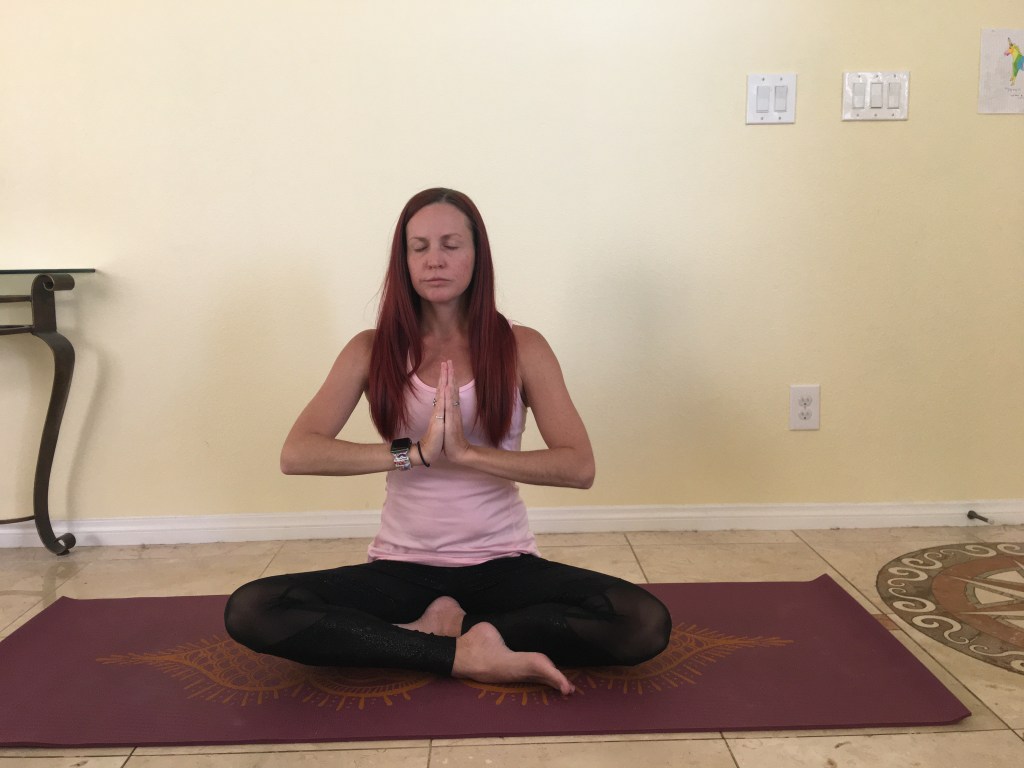
Meditation
Quiet sessions of calming and focusing your mind to improve clarity and intuition, either guided or solo
Yoga Lifestyle and Philosophy
When many people begin their yoga journeys, they typically start with asana practice, as the physical aspect of yoga can often be the most accessible. If you have never dabbled in the other aspects of the practice, that is perfectly fine. You can still reap the many benefits of yoga without ever learning any of the underlying philosophy.
However, as you progress, you may find yourself wondering about some of the deeper aspects, like the chakra system or the yama and niyama. When I first started practicing yoga back in the early 2000s, I focused solely on the physical postures. It wasn’t until much later that I began delving deeper, but I am so glad that I did.
Understanding the yoga lifestyle and philosophy has enriched my practice in so many ways, and I’m sure it will for you as well. Start with the aspects that appeal most to you, whether it be learning some of the Sanskrit pose names and their meanings or embracing the Hindu mythology that informs many of yoga’s teachings. The point is to start with what feels most accessible to you. The more you learn, the more you’ll likely want to uncover in the future!
Is Yoga a Religion?
Yoga students in Western cultures often wonder about this, especially when teachers bring up Hindu mythology or ask students to bring their hands to a prayer position. Let me be very clear: yoga is NOT a religion, but rather, a philosophy. Because this philosophy arose in India, it shares the same underlying mythology as Hinduism. The key difference, though, is that when we talk about Ganesh or Hanuman in yoga classes, we are not praying TO these Hindu gods. Instead, we are identifying their positive qualities or the lessons from their stories and seeking to embody those qualities and lessons within ourselves.
Yoga is inclusive, so you can bring whichever religion you identify with, or none at all of that is your preference. Of course, yoga practitioners can take lessons from any religion, current events, fairy tales, and even pop culture. Hinduism is simply the most commonly used, as it was integral to the local lifestyle and culture at the time when the system of yoga was originally developed.
 AK Yoga Run Fit